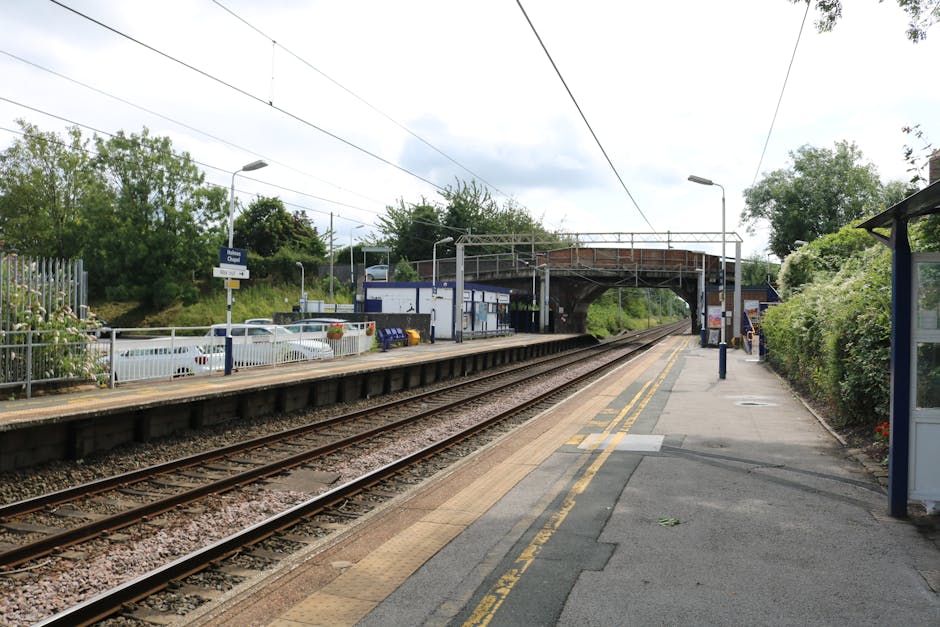
Sidcup Station insider tips for removals in DA14

If you are planning a move near Sidcup Station, there are a few local details that can make the whole day feel far less chaotic. The roads, the station traffic, the parking quirks, the narrow windows for loading, all of it matters more than people expect. These Sidcup Station insider tips for removals in DA14 are designed to help you move smarter, not harder, whether you are leaving a flat, shifting a family home, or trying to squeeze a same-day move into a busy London schedule.
In practice, a good move in DA14 is about timing, access, packing discipline, and knowing which service type fits your load. That sounds simple enough. It rarely is. So this guide walks through what local movers tend to overlook, what helps around Sidcup Station specifically, and how to avoid the sort of small mistakes that turn into annoying delays by lunchtime.
Why Sidcup Station insider tips for removals in DA14 Matters
Sidcup Station is a useful landmark, but it is also a moving-day pressure point. If your van arrives at the wrong time, you can end up competing with commuters, school runs, delivery drivers, and the general London habit of everyone being in a hurry at once. Around DA14, that can mean slower loading, awkward parking, and a more stressful handover than you expected.
The reason local knowledge matters is that removals are rarely just about the distance between addresses. They are about access. Can the van stop close enough? Is there a lift, or are you carrying boxes up stairs? Will the road outside your property be clear at 8:30 a.m., or will it be a mess of parked cars? Those little things are what separate a smooth move from a miserable one.
To be fair, many people only realise this after the first heavy item has been carried halfway down a corridor. By then, it is too late to rewrite the plan. That is why local removals advice around Sidcup Station is so valuable: it helps you design the move around the area, not just around the packing boxes.
It is also useful if you are comparing local service types. A small flat move near the station may suit a man and van Sidcup option, while a larger family relocation may need a more structured house removals Sidcup approach. One size does not fit all, and near a station, that difference can be obvious very quickly.
How Sidcup Station insider tips for removals in DA14 Works
At the simplest level, a station-area move works by reducing friction before moving day. You plan around access points, parking options, building rules, and the size of the vehicle. Then you pack in a way that lets the team load fast, keep items safe, and avoid extra trips.
Here is the practical logic behind it:
- Assess the access first. Check whether the van can get close to your entrance without blocking traffic or making loading difficult.
- Match the vehicle to the job. A smaller load may fit a compact van, while a full house move may need a larger removal vehicle.
- Work with peak-time reality. Near the station, the best time for loading is often not the obvious time. Early or mid-morning can be calmer depending on your route and building access.
- Prepare the property properly. Clear hallways, label boxes, protect corners, and make the first load easy to identify.
- Leave room for the unexpected. Lift access may be slower than expected, the weather may be awkward, or a neighbour may have parked in the only sensible spot. Happens all the time.
When people talk about removals near Sidcup Station, they often focus on the vehicle. That matters, but the real difference usually comes from the plan behind the vehicle. A careful route, sensible packing, and a crew that understands local access issues can save a surprising amount of time.
If you need a broader view of what the company offers, the services overview is a sensible place to start before deciding whether you need packing help, a van-only job, or a full removal service.
Key Benefits and Practical Advantages
Using local, station-aware removals planning offers a few real advantages. None are flashy. They are the kind of benefits you feel during the move, which is usually what matters most.
- Less waiting around: Better timing means fewer minutes spent with the van idling while you search for access or parking.
- Lower risk of damage: If boxes are packed and labelled properly, the team can load in a clearer order and handle fragile pieces more carefully.
- Less physical strain: Shorter carry distances and better route planning reduce the number of awkward lifts.
- Better cost control: Efficient loading often helps prevent the sort of delays that make a job feel longer than it should.
- More predictable arrival: That matters if you have building access windows, cleaners, or key handover times to work around.
There is another advantage people overlook: peace of mind. You sleep better the night before a move when you know the van is the right size, the boxes are ready, and the route near Sidcup Station has been thought through properly. It sounds minor. It is not.
For some moves, especially apartments and split-level homes, a dedicated flat removals Sidcup service is worth considering because the access challenges are often more important than the volume of items. That is one of those things you only really learn by doing, or by talking to someone who has done it a lot.
Who This Is For and When It Makes Sense
This guide is for anyone moving in or around DA14 who wants the day to feel calmer and more efficient. That includes first-time movers, people downsizing, students, growing families, office teams, and anyone who has looked at a pile of boxes and thought, well, this is going to be a problem.
It makes particular sense if you are:
- moving from a flat near Sidcup Station with tight stair access;
- trying to avoid busy commuter periods;
- moving valuable or awkward items like furniture, mirrors, or a piano;
- working around a completion deadline or rental checkout;
- needing short-term storage because the dates do not line up neatly.
If your move is small and straightforward, a simple van booking may be enough. If it is more involved, a fuller removals setup may save time and reduce stress. For example, someone moving from a second-floor flat with boxes, wardrobes, and a few fragile items may want to review furniture removals Sidcup and packing and boxes Sidcup together, because the two often go hand in hand.
Students, in particular, often underestimate how much smoother things go with a targeted service. A move between term-time accommodation and a new place near the station can be a lot easier with student removals Sidcup, especially if you are juggling keys, lectures, and the usual last-minute panic. There is always one missing charger. Always.
Step-by-Step Guidance
Here is a simple way to approach a move near Sidcup Station without making it harder than it needs to be.
- Confirm your moving date and access window. Check when you can get the keys, when the property can be entered, and whether there are any restrictions at either address.
- Walk the route from the property to the van stop. Even a short route can reveal problems like steps, tight doors, low branches, or an awkward corner.
- Sort your items by priority. Keep essentials, valuables, and fragile things separate so they do not get buried under everything else.
- Choose the right service level. If you need help with heavy lifting or a structured move, compare options before you book.
- Label everything clearly. Use room names and a quick note like "fragile" or "open first". Nothing fancy. Just useful.
- Prepare bulky items early. Disconnect appliances, empty drawers where needed, and remove loose parts.
- Leave a buffer in your schedule. A move near the station is rarely improved by back-to-back appointments. A small buffer saves a lot of pressure.
If you are not sure how much vehicle space you need, a removal van Sidcup booking can be a practical middle ground between doing everything yourself and booking a larger, more involved package. Sometimes the middle ground is exactly right. Sometimes it is the smartest option by far.
And if you are moving a business base or home office, do not treat it like a household move with a laptop on top. Office equipment, cables, files, and desks need more deliberate handling. A proper office removals Sidcup plan helps avoid the kind of scramble that eats half a workday.
Expert Tips for Better Results
These are the kinds of tips that tend to come from experience rather than theory. They are not complicated, but they do matter.
- Book earlier than you think. Good local slots go fast, especially around weekends and month-end moves.
- Keep the heaviest items closest to the loading point. It sounds obvious, but people still scatter them around the house and then wonder why loading takes so long.
- Take photos of fragile setups before disassembly. Cables, fittings, shelving, and lamp assemblies are easier to rebuild when you can see what belonged where.
- Use one box for essentials only. Kettle, toiletries, chargers, documents, a change of clothes. Keep it visible. You will thank yourself later.
- Protect furniture corners and door frames. A quick bit of wrapping avoids scuffs that are annoying to notice after the van has gone.
- Ask about access conditions upfront. Lifts, stair-only properties, narrow roads, and parking constraints are all worth mentioning early.
One of the best practical moves is to talk through the day as if you are directing it in your head. Where does the van stop? Which box comes out first? Who has the keys? Which room gets unloaded first? It sounds almost too simple, but that mental run-through catches problems before they become problems.
If you are worried about storage gaps between move-out and move-in, look at storage Sidcup as part of the plan rather than as a last-minute rescue. That way you are choosing it on purpose, not in a panic at 6 p.m.
Common Mistakes to Avoid
Most moving headaches are created by a handful of avoidable mistakes. Nothing dramatic. Just small oversights that compound.
- Underestimating parking and access. Near Sidcup Station, that can be the difference between a tidy load and a stop-start mess.
- Mixing essentials with everything else. If you pack the kettle and the phone charger in a random box, you will regret it by evening.
- Leaving packing too late. The last night before a move is rarely the best time to start wrapping dishes.
- Booking the wrong size vehicle. Too small means extra trips. Too large can be wasteful. The sweet spot matters.
- Forgetting specialist items. Pianos, large mirrors, and awkward antiques need more than a generic lift-and-load approach.
A common one around station areas is assuming the move will be fine because the distance is short. Short distance does not always mean easy move. A half-mile can still be tricky if the road outside is busy or the property access is awkward. Let's face it, London loves a complication.
Another mistake is not checking the service terms before booking. If you want clarity on service scope, timing, and expectations, it is worth reading the terms and conditions before the day arrives. Slightly dull, yes. Useful, absolutely.
Tools, Resources and Recommendations
You do not need a mountain of equipment to move well. But a few basic tools make a real difference.
- Sturdy boxes: Use proper moving boxes where possible, especially for books and breakables.
- Packing tape and tape gun: Faster sealing, less frustration.
- Bubble wrap or paper: Good for crockery, frames, and anything fragile.
- Marker pens: Clear room labels save time on arrival.
- Furniture covers and blankets: Handy for wardrobes, tables, sofas, and anything you do not want scuffed.
- Basic toolkit: Screwdrivers, Allen keys, and zip bags for screws and fittings.
If the move involves a specialist item, use a specialist approach rather than hoping the standard method will do. For example, a piano needs different handling from a sofa. That is why services such as piano removals Sidcup exist in the first place. It is not overkill. It is common sense.
Likewise, if you are comparing moving support options, it helps to read about the wider local setup through the removal services Sidcup page. That gives you a better feel for what can be bundled, what is separate, and what kind of help is genuinely useful to your situation.
For readers who like to know who they are dealing with, the about us page is worth a look. A small thing, maybe, but trust often starts there.
Law, Compliance, Standards, or Best Practice
For removals in DA14, the main compliance concerns are usually practical rather than dramatic. Think safe lifting, vehicle suitability, reasonable care for property, and clear communication around access and service scope.
In the UK, moving teams are generally expected to work in a way that avoids unnecessary risk to people and property. That includes safe handling of heavy items, sensible packing, and respectful treatment of buildings, common areas, and neighbours' access. If a property has stairs, tight corners, or shared entrances, best practice is to plan around those features rather than improvise on the day.
You will also want to consider insurance and safety expectations. Not every job has the same risk profile. A few boxes and a chair are one thing; a full house move with fragile furniture and tight access is another. A trustworthy provider should be willing to discuss how items are protected, what is covered, and how the move will be managed from start to finish.
On the business side, clear policies matter too. Pages such as insurance and safety, health and safety policy, and privacy policy help set expectations around care, data handling, and professional standards. That is reassuring, and in the removals world, reassurance counts.
There are also ordinary consumer expectations to keep in mind: clear quotes, honest time estimates, and transparent communication about any limitations. If something is uncertain, it is better to ask early. A good mover would rather answer a practical question than solve a preventable issue on moving day.
Options, Methods, or Comparison Table
Choosing the right moving method near Sidcup Station often comes down to how much you are moving, how tricky access is, and whether you need packing or storage support. Here is a simple comparison.
| Option | Best for | Strengths | Watch-outs |
|---|---|---|---|
| Man and van | Small to medium loads, student moves, quick local jobs | Flexible, efficient, often a good fit for short-distance moves | May be less suitable for very large household moves |
| Flat removals | Apartment moves with stairs, lifts, and tight access | More tailored to building access and carrying logistics | Needs accurate information about the property layout |
| House removals | Full homes, family relocations, larger inventories | Better for larger volumes and more structured moving days | Usually requires more planning and a clearer timeline |
| Same-day removals | Urgent moves, unexpected schedule changes | Fast response and practical rescue value | Less ideal for highly complex or heavily packed jobs |
| Storage plus move | When dates do not line up neatly | Useful breathing room, less pressure on handover day | Extra coordination needed around collection and redelivery |
If you are unsure which option fits, start with your property type and the access conditions. That usually tells you more than the postcode alone ever will. And if you are in a rush, same day removals Sidcup can be a sensible fallback when timing has gone sideways.
Case Study or Real-World Example
A typical station-area move in DA14 might look like this: a one-bedroom flat a short walk from Sidcup Station, a morning key collection, and a van booked for just after the commuter rush begins to ease. The customer has a sofa, bed frame, a few shelves, kitchen boxes, and a bicycle. Nothing wild, but enough to be awkward if poorly timed.
In a good version of that move, the boxes are labelled by room, the bigger items are ready first, and the van can park close enough to keep carrying distances short. The team loads the heavy furniture first, then the boxed items, then the fragile stuff on top in a careful final layer. There is a quick check for screws, charger cables, and keys before leaving.
The day feels steady. Not exciting, which is exactly the point. The customer gets to the new place, unpacks the essentials, and avoids the late-afternoon scramble that so many moves end up becoming.
Now compare that with the rushed version. No labels. Boxes still half-packed. Parking uncertain. One missing key. A sofa that needs two extra people because the hallway is narrower than expected. You can probably feel the difference already. That is why local insight matters: it prevents small problems from snowballing into a whole-day headache.
If you want more context on the local area before moving, the city-to-suburb Sidcup article and the what locals think about Sidcup post can help set the scene. They are useful if your move is also part of a bigger lifestyle shift.
Practical Checklist
Use this before moving day:
- Confirm collection and delivery addresses.
- Check access, stairs, lifts, and door widths.
- Plan where the van will stop near Sidcup Station or your property.
- Book the right size vehicle or service type.
- Pack fragile items separately and label them clearly.
- Prepare an essentials box for the first 24 hours.
- Disassemble bulky furniture where practical.
- Keep keys, documents, and valuables with you.
- Tell the movers about anything awkward in advance.
- Build in buffer time for traffic, loading, and handover.
One small extra: keep a roll of tape, a pen, and a cloth in a pocket or bag you do not pack away. It sounds trivial. It is the sort of tiny thing you end up grateful for at 9:40 p.m. when a box needs resealing and nobody wants to search through twenty others.
Conclusion
Moving near Sidcup Station in DA14 is not just about getting items from A to B. It is about timing, access, the right vehicle, and a plan that fits the local reality. Once you understand those pieces, the move becomes much more manageable. Often, much calmer too.
The main lesson is simple: do not leave the details to chance. Think about parking, building access, packing order, and whether you need extra help with furniture, storage, or specialist items. That bit of preparation pays off fast. And when the last box is inside and the kettle is on, it really does feel worth it.
If you are ready to make the next step easier, compare your options early and choose the setup that fits your move rather than forcing your move to fit the setup.
Get a free quote today and see how much you can save.
Sometimes the smartest move is the quiet one: a little planning, a little local know-how, and a team that understands the area. That is usually enough to turn a stressful day into a solid one.
Frequently Asked Questions
What are the best Sidcup Station insider tips for removals in DA14?
The most useful tips are to plan around station traffic, check parking and access in advance, label boxes clearly, and choose the right vehicle size for the job. Small adjustments make a big difference here.
Is a man and van service enough for a move near Sidcup Station?
It often is for smaller flats, student moves, or a few bulky items. If you have a larger property or lots of furniture, a more structured removals service is usually the better fit.
How far in advance should I book removals in DA14?
Earlier is usually better, especially for weekends, month-end dates, or busy moving periods. If your date is flexible, you may have more choice and less pressure.
What should I tell the removals team before moving day?
Share access details, stair or lift information, parking limitations, fragile items, and any awkward furniture. The more accurate the picture, the smoother the move tends to be.
Do I need packing help for a local Sidcup move?
Not always, but it helps if you are short on time, moving breakables, or dealing with a larger inventory. Packing support can save hours and reduce damage risk.
What if I have nowhere to move into straight away?
That is where storage can be useful. A short storage arrangement gives you breathing room if completion dates or handover times do not line up neatly.
Are flat moves around Sidcup Station more difficult than house moves?
They can be, mainly because of stairs, lifts, and tighter access. The volume may be smaller, but the logistics can be more awkward than people expect.
Can I arrange a same-day move if plans change suddenly?
Sometimes, yes. Same-day support can be helpful when a sale, tenancy, or access issue changes at short notice. Availability will depend on timing and capacity.
How do I avoid damaging furniture during a move?
Use protective wrapping, remove loose parts, and keep furniture corners padded. It also helps to measure doorways and hallways before moving heavy pieces.
What is the difference between removal services and a simple van hire style move?
A removal service usually includes more hands-on support, better planning, and help with loading and unloading. A simple van-style move is more basic and may suit smaller or self-managed jobs.
Should I read the service terms before booking?
Yes, absolutely. It is a practical way to understand what is included, what is excluded, and how the job will be handled if plans change on the day.
How can I make a Sidcup Station move feel less stressful?
Start early, reduce clutter, pack in room groups, keep essentials separate, and be realistic about access. The calmer your preparation, the calmer moving day usually feels.